
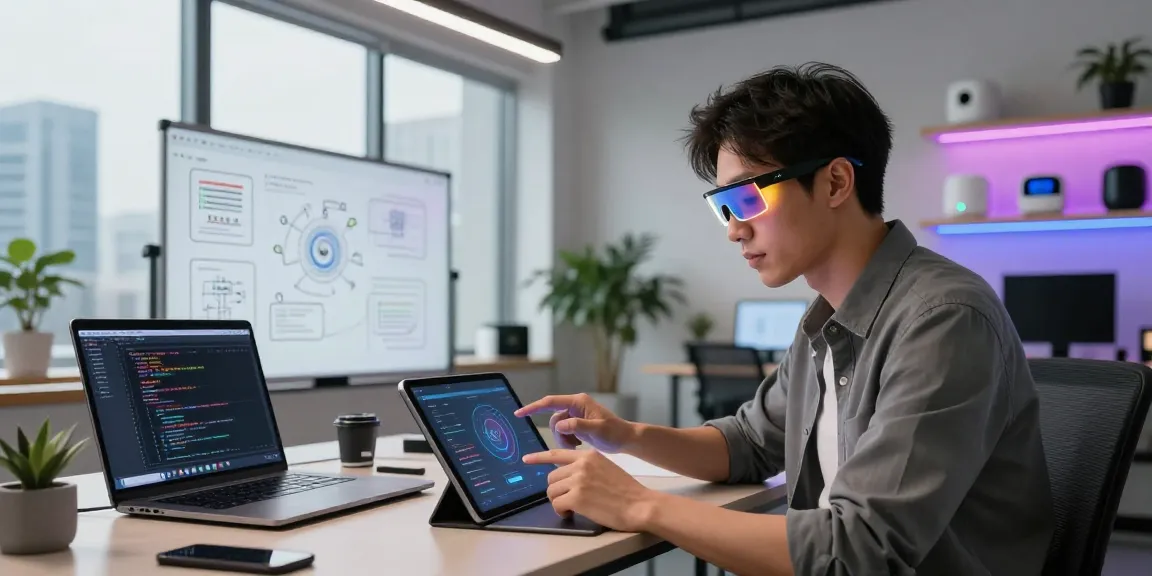
Understanding Smart Glasses
Smart glasses are a fascinating intersection of technology and fashion, transforming the way users interact with the world around them. As we step into 2026, technology has integrated more comprehensively into everyday life, with smart glasses leading the charge. These innovative devices blend augmented reality (AR) with functionalities that extend beyond simple eyewear, catering to a broad audience from tech enthusiasts to business professionals. In this comprehensive guide, we will explore the intricacies of smart glasses, their benefits, challenges, and the future of this rapidly evolving technology. If you’re interested in the latest developments in smart eyewear, smart glasses provide comprehensive insights into various models and features.
What Are Smart Glasses?
Smart glasses are wearable devices that resemble traditional eyewear but are enhanced with advanced technology. They can display information directly in the user’s line of sight, enabling hands-free access to data, notifications, and even navigation. Most smart glasses integrate functionalities such as cameras, microphones, and wireless connectivity, allowing them to perform various tasks typically associated with smartphones or other portable devices.
How Smart Glasses Work: A Technological Overview
The technology behind smart glasses largely involves augmented reality (AR) and heads-up displays (HUDs). AR enhances the user’s perception of reality by overlaying digital information onto the physical world, while HUDs project images onto the lenses of the glasses. A typical smart glass includes sensors, cameras, and a lightweight processor to facilitate real-time interactions. These components work together to analyze the environment and respond to user commands.
Types of Smart Glasses Available in 2026
In 2026, smart glasses come in various forms, each tailored to specific use cases:
- AR Glasses: These glasses overlay digital information onto the real world, useful for applications in navigation, maintenance, and training.
- VR Glasses: While more immersive, VR glasses primarily focus on creating a virtual environment for gaming and entertainment.
- Smart Fitness Glasses: Designed for athletes, these glasses monitor health metrics and offer real-time stats during workouts.
- Fashion Smart Glasses: These prioritize aesthetic appeal while integrating smart technology, targeting everyday consumers.
Benefits and Use Cases of Smart Glasses
Enhancing Workplace Productivity with Smart Glasses
Smart glasses hold immense potential for increasing productivity in various workplace settings. In industries such as manufacturing, logistics, and healthcare, they allow workers to access real-time data without interrupting their workflow. For example, technicians can view schematics and instructions directly in their field of vision while completing tasks, leading to improved efficiency and reduced errors.
Smart Glasses in Entertainment and Gaming
The gaming sector benefits significantly from smart glasses, offering immersive experiences that enhance gameplay. Titles designed for AR platforms allow players to interact with virtual characters and objects in the real world, creating a new dimension of engagement. Furthermore, smart glasses can stream content, enabling users to enjoy movies and shows hands-free.
Health and Fitness Applications of Smart Glasses
Health and fitness are key areas where smart glasses are making a significant impact. These devices can track biometrics such as heart rate, calories burned, and distance covered while providing visual feedback during workouts. By integrating with fitness apps, users can leverage their smart glasses for a tailored exercise experience that motivates and tracks their progress efficiently.
Challenges and Misconceptions About Smart Glasses
Common Misunderstandings about Smart Glasses Technology
Despite their growing popularity, several misconceptions persist regarding smart glasses. A common one is the belief that they are too cumbersome or complex to use. However, advancements in design and interface have made them more user-friendly, with many models now resembling regular eyewear.
Privacy Concerns and Solutions with Smart Glasses
Privacy is a significant concern associated with smart glasses, particularly regarding their built-in cameras and connectivity. Users may worry about unauthorized data collection or surveillance. To address these concerns, manufacturers are implementing features such as LED indicators that signal active recording and robust privacy policies to ensure user transparency and control over their data.
Addressing Performance Issues in Smart Glasses
Performance remains a vital aspect of smart glasses. Issues such as battery life, processing power, and app compatibility can affect user experience. Modern smart glasses are continually evolving, offering longer battery life through energy-efficient designs and improved processors that handle demanding applications seamlessly.
Best Practices for Choosing Smart Glasses
Key Features to Look For in Smart Glasses
When selecting smart glasses, consider essential features that align with your needs:
- Display Quality: Look for high-resolution displays for clear visibility.
- Battery Life: Opt for models with longer battery life to support extended usage.
- Comfort and Fit: Ensure the glasses fit well for prolonged wear.
- Connectivity Options: Check for compatibility with other devices, such as smartphones or fitness trackers.
Top Brands and Models in 2026
The smart glasses market is bustling with various brands offering innovative models. Notable players include:
- Meta: Known for its Ray-Ban collaboration, Meta’s smart glasses have integrated features for social media connectivity.
- Google: Google Glass continues to evolve, appealing to enterprise users with augmented reality applications.
- Vuzix: Popular in industrial applications, Vuzix glasses focus on productivity and information delivery.
Cost Considerations and Value Assessment
Pricing for smart glasses varies widely based on brand, features, and technology. While some entry-level models start around $200, high-end options can exceed $1,000. It is essential to evaluate the features against your needs and budget to determine the best value.
The Future of Smart Glasses
Emerging Trends and Innovations in Smart Glasses
The future of smart glasses looks promising, with several trends emerging in the market. Increased integration of artificial intelligence (AI) will enhance functionality, allowing for personalized user experiences and improved data analytics. Additionally, advancements in lightweight materials and battery technology will drive comfort and usability.
Smart Glasses and AI: A Powerful Combination
AI integration in smart glasses can revolutionize how users interact with their environment. Features such as voice commands, real-time translation, and contextual awareness will make smart glasses an essential tool for everyday users. These capabilities can turn glasses into powerful assistants that streamline tasks and enhance productivity.
Predictions for Smart Glasses Adoption in Everyday Life
Experts predict that smart glasses will become commonplace in everyday life within the next few years. As technology becomes more affordable and accessible, more users will find applications for smart eyewear in daily tasks, social interactions, and personal health management.
What are the Most Asked Questions about Smart Glasses?
Here are some frequently asked questions regarding smart glasses:
- Can Smart Glasses Help with Vision Impairments? Some models are designed to assist those with specific vision impairments, offering solutions through integrated technology.
- How Do Smart Glasses Connect to Other Devices? Smart glasses commonly connect via Bluetooth or Wi-Fi to sync with smartphones and other smart devices, ensuring seamless data sharing.
- Are Smart Glasses Suitable for Outdoor Activities? Many smart glasses models are designed with outdoor enthusiasts in mind, equipped with features like UV protection and robust build quality.
- What Will Be the Next Big Thing in Smart Glasses? Trends indicate that the next evolution will likely focus on enhanced AR capabilities and integration with smart home technologies, allowing for greater interaction with the digital ecosystem.