Understanding Victorian Floor Tiles
Victorian floor tiles are not merely a flooring option; they are a reflection of a rich historical lineage that combines artistry and functionality. Originating during the Victorian era, these tiles are celebrated for their distinctive aesthetic appeal, intricate patterns, and robust nature. Over the years, they have transcended their original purpose, becoming a favored choice for homeowners looking to elevate their interior and exterior spaces. When exploring options, Victorian floor tiles provide comprehensive insights into elegance and durability in home decor.
What are Victorian Floor Tiles?
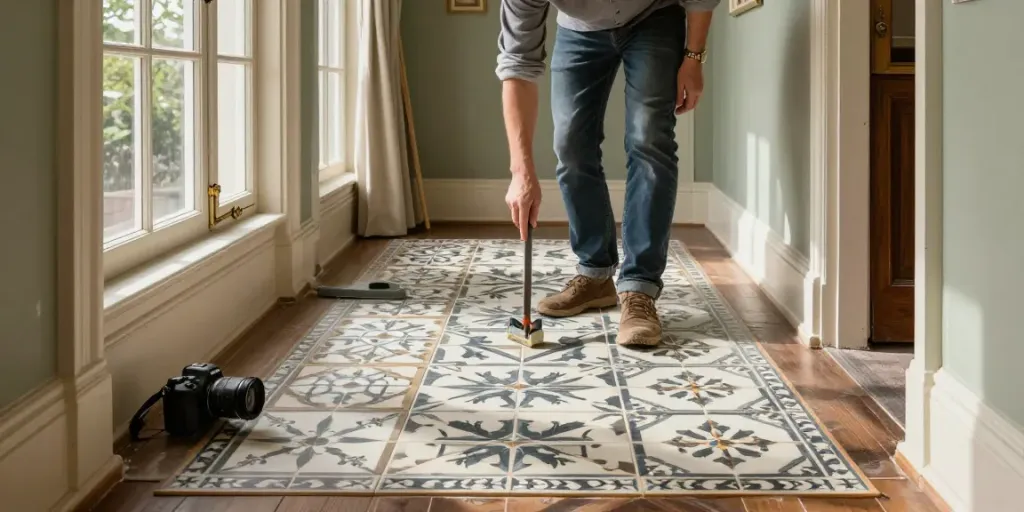
Victorian floor tiles are typically characterized by their geometric designs, vibrant colors, and unique manufacturing techniques. They are commonly made from clay and are often encaustic, which means the patterns are created by inlaying different colored clays rather than just being painted on the surface. This method not only enhances their aesthetic appeal but also contributes to their durability. These tiles can feature motifs ranging from stylized flowers to intricate geometric shapes, making them a versatile choice for various applications.
The Historical Significance of Victorian Tiles
The origins of Victorian floor tiles date back to the mid-19th century, a period marked by industrial progress and social change. The revival of tile-making techniques during this era led to the creation of tiles that were both functional and visually appealing. They became popular in public buildings, grand homes, and churches, typically used for hallways, kitchens, and conservatories. The style not only reflects the artistic tendencies of the time but also showcases the material culture and craftsmanship of the Victorian period.
Modern Uses of Victorian Floor Tiles in Home Décor
Today, Victorian floor tiles are experiencing a resurgence in popularity, thanks to their ability to blend vintage charm with contemporary design. Homeowners often use them in kitchens, bathrooms, and entrance halls to create a striking first impression. Additionally, their adaptability allows them to complement both traditional and modern aesthetics, enabling a seamless integration into various home styles. Whether you’re revamping a historic property or enhancing a modern space, Victorian tiles can add character and elegance.
Benefits of Choosing Victorian Floor Tiles
Durability and Longevity of Victorian Tiles
One of the standout benefits of Victorian floor tiles is their remarkable durability. Made from high-quality materials and designed to withstand heavy foot traffic, these tiles can last for decades, if not centuries, with proper care. Their robust nature means they resist scratches, stains, and fading, making them a practical choice for busy households. Additionally, many manufacturers offer vitrified options that enhance stain resistance and reduce water absorption, further extending the lifespan of the tiles.
Enhancing Aesthetic Appeal and Value
Victorian floor tiles are synonymous with elegance and can significantly enhance the aesthetic appeal of any space. Their intricate designs can serve as a focal point in a room, drawing the eye and elevating the overall decor. Moreover, incorporating these tiles into a home can increase property value, especially in regions where historical design is highly sought after. The unique visual characteristics of Victorian tiles often appeal to buyers, making them a smart investment for homeowners.
Energy Efficiency Benefits
Beyond their beauty and durability, Victorian floor tiles can contribute to energy efficiency in the home. Their thermal mass properties help regulate indoor temperatures, keeping spaces cooler in summer and warmer in winter. When installed with appropriate underfloor heating, these tiles can distribute heat evenly, reducing energy consumption and creating a comfortable living environment. Moreover, their breathability can contribute to healthier indoor air quality, making them an excellent choice for environmentally conscious homeowners.
Installation and Maintenance of Victorian Floor Tiles
Preparing Your Space for Installation
Before embarking on the installation of Victorian floor tiles, it's crucial to prepare the area properly. Begin by removing any existing flooring and ensuring the subfloor is clean, level, and dry. If imperfections are present, consider using a leveling compound to create a smooth surface. Proper preparation not only facilitates easier installation but also helps avoid future issues, ensuring the tiles lay flat and secure.
Step-by-Step Guide to Laying Victorian Floor Tiles
- Gather Your Tools and Materials: Ensure you have all necessary tools, including tile adhesive, a tile cutter, spacers, and a grout float.
- Plan Your Layout: Before laying tiles, map out the design on the floor. Consider starting from the center of the room for a balanced look.
- Apply Adhesive: Spread a thin layer of tile adhesive on the subfloor using a notched trowel, working in sections to prevent it from drying out.
- Lay the Tiles: Press each tile into the adhesive, using spacers to maintain even gaps for grouting.
- Cut Tiles as Necessary: Use a tile cutter to shape tiles that need to fit around edges and corners.
- Allow Adhesive to Cure: Follow manufacturer instructions regarding curing time before grouting.
- Grout the Tiles: Once the adhesive has set, apply grout to the joints using a grout float, pressing it into the gaps.
- Clean and Seal: After the grout has dried, clean the tiles and consider applying a sealant for additional protection.
Maintenance Tips for Longevity
To keep Victorian floor tiles looking their best, regular maintenance is essential. Start with daily sweeping or vacuuming to remove dirt and debris. Use a damp mop with a pH-neutral cleaner to avoid damaging the tiles and grout. For stained tiles, consider using a specialized tile cleaner or a mix of vinegar and water. Additionally, sealing your tiles every few years can help protect them from stains and moisture, prolonging their lifespan even further.
Design Inspiration and Ideas
Utilizing Victorian Tiles in Different Rooms
Victorian floor tiles can be beautifully applied in various rooms throughout the home. In kitchens, they can create a warm and inviting atmosphere, while their intricate patterns can add character to entryways and hallways. Bathrooms benefit from the tiles' water resistance and timeless appeal, making them a popular choice for flooring and walls alike. For outdoor spaces, using Victorian tiles in patios or pathways can add a sophisticated touch and create continuity between indoor and outdoor living areas.
Combining Victorian Tiles with Modern Décor
One of the most exciting aspects of Victorian floor tiles is their ability to harmonize with modern décor. Pairing these tiles with minimalistic furniture or contemporary art can create an engaging contrast that highlights the unique qualities of both styles. Opt for neutral-colored walls and furnishings to allow the bold patterns of the tiles to take center stage. Additionally, incorporating modern lighting fixtures can further emphasize the elegance of Victorian tiles while grounding the overall aesthetic in contemporary design.
Color Schemes and Patterns for Your Home
When selecting Victorian floor tiles, consider the color schemes and patterns that will complement your space. Classic black-and-white tiles can offer a striking visual appeal and work well in both traditional and modern settings. Alternatively, tiles in earthy tones or rich jewel colors can create a warm ambiance. Geometric patterns are particularly popular for adding depth and interest, while floral motifs can evoke a softer, more romantic feel. Don’t hesitate to mix and match different patterns for a personalized touch!
Future Trends for Victorian Floor Tiles in 2026
Innovative Designs and Technologies
As we move forward into 2026, the trends surrounding Victorian floor tiles are expected to evolve significantly. Designers are leaning towards innovative patterns that blend traditional aesthetics with contemporary functionality. Digital printing technology is enabling the production of intricate designs that were previously difficult to achieve, opening new avenues for personalization. Expect to see an increase in bespoke tile options, where homeowners can choose colors, patterns, and textures that reflect their unique style.
Eco-Friendly Practices in Tile Production
In response to growing environmental concerns, manufacturers are increasingly adopting eco-friendly practices in tile production. This includes using sustainable materials, reducing waste in the manufacturing process, and implementing energy-efficient practices. As a result, many Victorian tiles are now available with certifications that guarantee they are made from recycled materials or produced with lower environmental impact.
Predictions for Victorian Tile Market Growth
The market for Victorian floor tiles is projected to grow significantly over the next few years. As more homeowners and designers recognize the charm and durability of these tiles, demand is expected to rise, particularly in regions where historical architecture is prevalent. Additionally, with the increasing popularity of vintage and retro designs in home décor, Victorian floor tiles are poised to remain in vogue, ensuring their place in modern renovations and new builds alike.
What are the most popular colors for Victorian floor tiles?
The most popular colors for Victorian floor tiles include classic black and white, earthy hues like terracotta and ochre, and vibrant jewel tones such as emerald green and ruby red. These colors not only align with the historical context of the tiles but also offer versatility in modern designs.
Can Victorian floor tiles be used in bathrooms?
Yes, Victorian floor tiles are an excellent choice for bathrooms due to their durability and water resistance. They can be used on the floor, as well as for wall accents, enhancing the overall aesthetic while providing practicality in moisture-prone areas.
How to choose the right pattern for Victorian tiles?
Choosing the right pattern for Victorian tiles involves considering the overall design style of your space. For smaller areas, opt for simple, geometric patterns that create a sense of openness. In larger spaces, intricate designs can serve as focal points. Additionally, think about color contrast and how the tiles will harmonize with other design elements in the room.
What maintenance is required for Victorian floor tiles?
Victorian floor tiles require minimal maintenance to keep them looking their best. Regular sweeping and mopping with pH-neutral cleaners are essential. Sealing the tiles periodically helps protect them from stains and moisture, ensuring their longevity.
Where can I buy high-quality Victorian floor tiles?
High-quality Victorian floor tiles can be purchased from specialty tile retailers, home improvement stores, and online marketplaces. It's advisable to choose reputable suppliers that offer a wide selection and focus on quality craftsmanship to ensure you’re getting authentic Victorian tiles.