Understanding Structural Glazing Solutions
In the evolving landscape of architectural design and construction, structural glazing solutions are becoming a popular choice for modern residential and commercial spaces. These innovative systems integrate glass into the building framework, providing both aesthetic appeal and functional support. With the potential to enhance natural light, offer stunning views, and contribute to energy efficiency, structural glazing is revolutionizing how we approach flooring and exterior surfaces in architectural design.
What Are Structural Glazing Solutions?
Structural glazing refers to the use of glass as a load-bearing element in construction. This system allows glass to be used in various applications, including facades, roofs, and flooring, without the need for extensive framing or support structures. By utilizing advanced adhesive technologies and high-strength glass types, these solutions can bear significant loads while providing a sleek, unobtrusive appearance. This broad definition encompasses numerous styles and applications, making it a versatile choice for contemporary architecture.
Benefits of Using Structural Glazing
The integration of structural glazing into residential spaces offers numerous benefits, which include:
- Enhanced Aesthetics: Structural glazing provides a clean, seamless appearance that can elevate the overall design of a space.
- Natural Light Optimization: Large glass panels allow abundant natural light, reducing the need for artificial lighting.
- Energy Efficiency: Advanced glass technologies can enhance a home's energy performance by improving insulation and reducing heat loss.
- Durability: Modern structural glazing solutions are designed to resist impact, weather conditions, and thermal stress.
Applications in Residential Spaces
Structural glazing is versatile and can be applied in various residential scenarios. Common applications include:
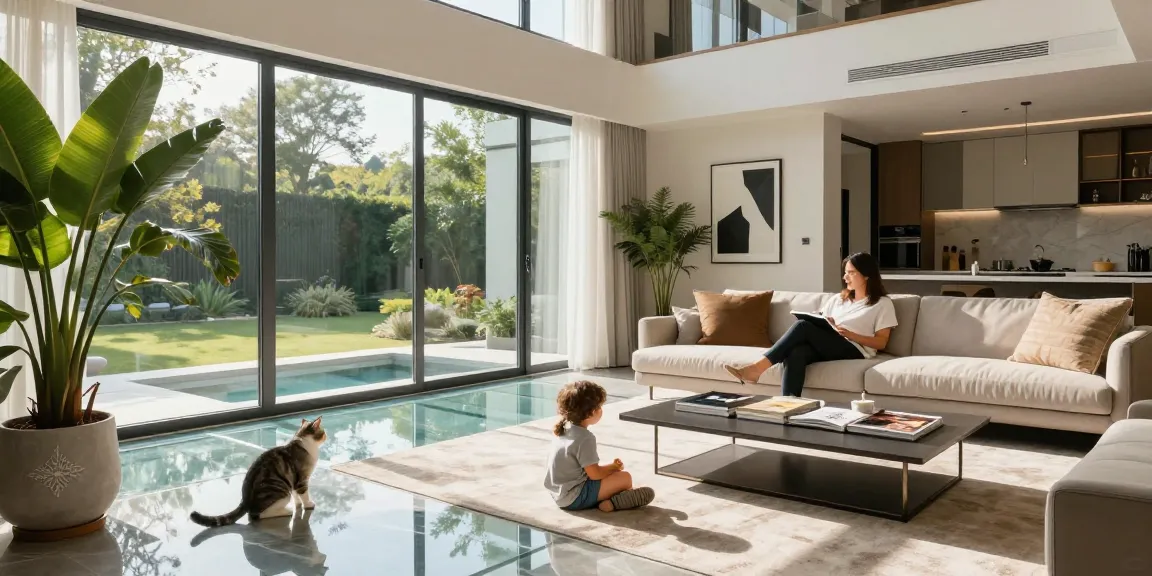
- Glass Floors: Offering a unique aesthetic and allowing light to penetrate lower levels, glass floors can create stunning visual effects.
- Terraces and Balconies: Glass railings and floors can enhance outdoor living spaces while providing unobstructed views.
- Open Plan Interiors: Glass partitions can be used to create distinct areas within a home without compromising the sense of space.
Advantages Over Traditional Flooring
Durability and Maintenance Comparisons
When comparing structural glazing to traditional flooring options, one of the most significant advantages is durability. Glass floors can withstand considerable weight and pressure while being resistant to scratches and stains. Unlike wood or carpet, glass does not absorb moisture or harbor allergens, making it an excellent choice for homes with pets or children.
Visual Appeal and Architectural Impact
In terms of visual impact, structural glazing offers a modern aesthetic that is hard to replicate with traditional materials. The transparency and light transmission capabilities of glass create an illusion of space, making rooms feel larger and more inviting. This architectural feature is especially beneficial for small urban homes, where maximizing light and space is essential.
Cost Considerations and Long-Term Value
While the initial investment in structural glazing solutions may be higher than traditional flooring, the long-term benefits often justify the expense. Its durability can lead to lower maintenance costs over time, and the energy efficiency gains can reduce utility bills significantly. Homeowners can expect a return on investment through enhanced property value and appeal.
Designing with Glass Floors in Mind
Key Design Principles for Glass Flooring
Designing with glass flooring requires a thoughtful approach. Key principles include:
- Load-Bearing Considerations: Ensure that any structural glass flooring system is engineered to support the intended loads.
- Lighting: Consider how natural and artificial lighting will interact with glass flooring to maximize visual effects.
- Safety: The use of non-slip surfaces and proper thickness is critical to ensure the safety of all inhabitants.
Integrating with Existing Interior Styles
Glass flooring can seamlessly integrate with various interior styles, from minimalist to industrial. When incorporating glass elements, it’s essential to consider the overall design language of the space to maintain a cohesive look. For example, pairing glass with raw materials like wood or metal can create an interesting contrast that enhances the modern feel.
Common Misconceptions and Clarifications
Despite the rising popularity of structural glazing solutions, misconceptions persist. Some homeowners may mistakenly believe that glass flooring is fragile or requires extensive maintenance. In reality, modern glass designs are robust and typically require little more than regular cleaning with non-abrasive solutions to maintain their clarity and shine.
Installation Process of Structural Glazing
Preparation and Planning Steps
The installation of structural glazing is a complex process that requires careful planning. Key steps include:
- Site Assessment: Evaluate the load-bearing capacity and structural integrity of the existing framework.
- Engineering Design: Create detailed engineering plans that include specifications for glass types and support systems.
- Permitting: Obtain the necessary permits from local authorities to ensure compliance with building codes.
Hiring Professionals vs. DIY Options
While some may consider a DIY approach to glass flooring installation, it is often advisable to hire professionals. Experienced contractors bring expertise in handling and installing large glass panels, ensuring safety and structural integrity. Mistakes during installation can lead to costly repairs and safety hazards.
Safety Measures and Compliance Standards
Adhering to safety standards is crucial when installing structural glazing solutions. This includes using safety glass where required, incorporating proper edge detailing, and ensuring all installations comply with local building codes. These measures help mitigate risks associated with glass flooring, such as breakage or accidents.
The Future of Structural Glazing Solutions
Innovations in Glass Technology
The future of structural glazing solutions appears promising, with ongoing innovations in glass technology. Smart glass that can adjust transparency based on light levels is one exciting development. Such advancements promise to provide even greater energy efficiency and comfort for residential spaces.
Environmental Impact and Sustainability Trends
As sustainability becomes a more significant concern in the building industry, the environmental impact of materials used in construction is under scrutiny. The production of structural glazing solutions is becoming more eco-friendly, with a focus on using recycled materials and reducing energy consumption during manufacturing processes.
Predictions for 2026 and Beyond
Looking ahead to 2026, it is anticipated that structural glazing solutions will continue to grow in popularity. Trends indicate a move toward fully integrated smart homes where transparent materials can adapt to environmental conditions, enhancing both aesthetics and functionality. As technology evolves, the possibilities for structural glazing in residential design are limitless.
What are the best uses for structural glazing solutions?
Structural glazing solutions are best used in residential spaces that prioritize natural light and modern aesthetics, such as open-concept homes, balconies, and as features in outdoor living areas.
How do structural glazing solutions compare in cost to traditional options?
While the upfront cost of structural glazing may be higher than traditional flooring, the long-term savings through durability, lower maintenance costs, and energy efficiency can offer greater value over time.
What are the maintenance requirements for glass flooring?
Glass flooring typically requires minimal maintenance, primarily regular cleaning with non-abrasive solutions to maintain clarity. Due to its non-porous nature, it resists stains and odors more effectively than many traditional flooring materials.
Can structural glazing solutions improve home energy efficiency?
Yes, structural glazing solutions can significantly improve home energy efficiency through enhanced insulation properties and reduced reliance on artificial lighting, allowing for better temperature control and comfort.
What design trends are emerging with glass flooring?
Emerging trends in glass flooring design include the use of textured or patterned glass to enhance safety while maintaining aesthetic appeal, as well as integrating smart technologies that allow for dynamic responses to environmental changes.